
Hosting an executive, client, or VIP visitor involves more than arranging a pickup. Transport may need to connect airport arrivals, accommodation, meetings, and business functions while keeping the guest’s schedule running smoothly.
Effective corporate guest transport starts with the complete itinerary. Planning each movement in context helps businesses allow realistic travel time, manage changes, and provide visitors with a professional, well-coordinated experience.
Why Visiting Guest Transport Needs A Coordinated Plan
A corporate visit often involves several connected journeys. A guest might arrive at the airport, travel to their hotel, attend meetings at different locations, join an evening function and depart the following day.
Each movement affects the next. A late arrival, unrealistic transfer window, or outdated pickup location can disrupt later commitments.
The guest may also be unfamiliar with Sydney and dependent on arrangements made by their host. Before organising transport, establish:
- Arrival and departure details
- Accommodation and meeting locations
- Required arrival times
- Realistic travel windows
- Passenger and luggage requirements
- Functions or additional destinations
- Who will communicate itinerary changes
This creates one coordinated transport plan rather than a collection of disconnected bookings.
Map The Complete Guest Itinerary First
Start with where the guest needs to be throughout the visit, not individual pickup times.
A typical itinerary might include:
- Airport arrival and hotel transfer
- Hotel pickup for an office meeting
- Transfer between business appointments
- Transport to an evening function
- Return to accommodation
- Hotel pickup for departure
For each movement, work backwards from the required arrival time. The appropriate pickup time depends on the journey, expected travel conditions, and time needed to collect the passenger and reach the destination.
Identify which commitments are fixed and which allow some flexibility. Flights and scheduled functions may leave little room for delay, while other parts of the itinerary may be easier to adjust.
This approach is particularly useful when coordinating several executive visitor transfers, as it exposes tight connections before they become problems.
Plan Airport Arrivals Around The Onward Schedule
A flight’s scheduled landing time is not necessarily when the guest will be ready to leave the airport.
Confirm the flight details, passenger numbers, luggage requirements, and onward destination. Also consider what follows the arrival. Someone travelling directly to a meeting has different timing requirements from a visitor heading to their hotel.
Pickup arrangements should be clear for guests unfamiliar with the airport or Sydney, reducing the need for them to organise onward transport after landing.
Detailed airport arrangements belong within airport transfer services. For corporate guest planning, the key is to treat the airport journey as part of the wider itinerary rather than an isolated transfer.

Coordinate Hotels, Meetings And Business Commitments Together
Each transfer should account for the commitments before and after it.
For every movement, confirm:
- Pickup location
- Destination
- Required arrival time
- Passenger numbers
- Luggage or space requirements
- Relevant contact details
- The next scheduled commitment
This becomes important when a visitor has meetings across several locations. If an afternoon meeting runs late, for example, the transfer to an evening function may also need adjustment.
Keep transport arrangements aligned with the current itinerary rather than relying on the original schedule after plans change.
Conferences, large corporate functions, multiple vehicles and significant delegate movements require broader corporate event transport planning rather than individual guest coordination.
Choose A Vehicle Around The Actual Journey
Vehicle selection should start with practical requirements rather than appearance alone.
Consider:
- Passenger capacity
- Luggage requirements
- Journey duration
- Number of transfers
- Comfort requirements
- Whether guests need to travel together
- Presentation appropriate to the visitor and occasion
Airport arrivals may require more luggage capacity than hotel-to-meeting transfers, even when passenger numbers stay the same.
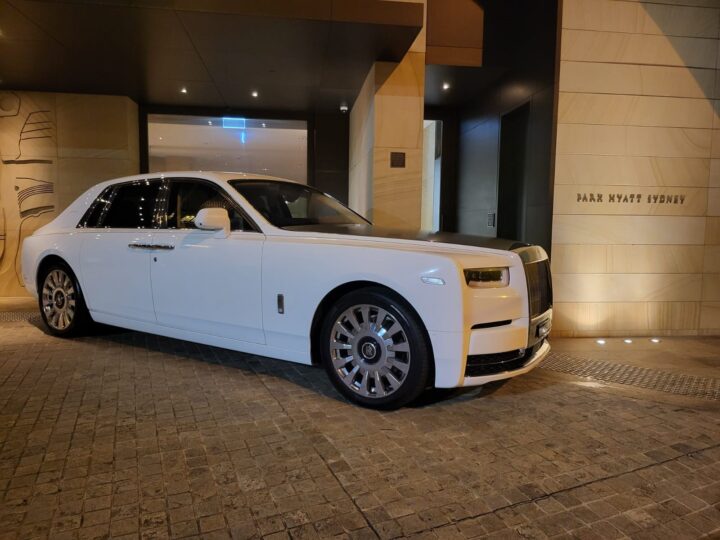
For VIP guest transport, presentation can also contribute to the host organisation’s reception of the visitor. The vehicle still needs to suit the practical demands of the itinerary.
HF Wedding & Hire Cars operates an extensive modern luxury fleet, allowing vehicle selection to reflect different passenger and transport requirements.
Provide The Information Needed For Effective Coordination
Transport is easier to coordinate when the provider receives the wider context, not just a series of addresses and pickup times.
Useful information includes:
- Guest and passenger numbers
- Flight details where relevant
- Pickup and destination addresses
- Accommodation details
- Meeting and function locations
- Required arrival times
- Luggage requirements
- Known timing constraints
- Relevant organiser or guest contact details
Distinguish between confirmed arrangements and details that may still change. If a meeting location or departure time is revised, update the transport information promptly because one change may affect later transfers.
Build Practical Flexibility Into The Schedule
Even a carefully prepared itinerary can change. Flights may be delayed, meetings can run over, or a guest may need to visit an unplanned destination.
Avoid building a schedule that only works when every movement happens exactly on time. Instead, consider:
- Which arrival times are fixed
- Where reasonable buffers are needed
- Which journeys depend on earlier commitments
- Who will communicate changes
- Whether a destination change affects later transfers
The aim is not to add excessive waiting time. It is to identify where delays could disrupt important commitments and allow appropriate flexibility.
This is particularly valuable for executive and VIP guest transport involving tightly scheduled days.

Avoid Common Corporate Guest Transport Planning Mistakes
Many transport problems begin with the itinerary rather than the journey itself.
Planning each transfer in isolation. Individual bookings can appear workable while the complete schedule contains unrealistic connections.
Using pickup times without required arrival times. Providing both gives greater context for each journey.
Allowing minimal time between commitments. A schedule without practical buffers becomes vulnerable as soon as one meeting or journey runs late.
Selecting a vehicle without considering luggage. Passenger capacity alone does not determine whether a vehicle suits an airport transfer.
Failing to communicate changes. Outdated information can leave the organiser, guest and transport provider working from different schedules.
Leaving important arrangements too late. This may reduce flexibility where particular timing or vehicle requirements apply.
Maintaining one current itinerary helps keep the guest’s transport requirements coordinated.
When Dedicated Corporate Chauffeur Transport Makes Sense
Not every business visitor requires dedicated chauffeured transport. It becomes more relevant when reliability, presentation, and coordinated scheduling matter to the visit.
Typical situations include:
- Senior executives visiting Sydney
- Important clients or business partners
- VIP visitors
- Guests unfamiliar with the city
- Several scheduled meetings or functions
- Time-sensitive itineraries
- Multiple transfers during the visit
In these situations, corporate chauffeur services can provide greater continuity across the guest’s planned movements.
HF Wedding & Hire Cars provides professional uniformed chauffeurs, tailored transport arrangements and access to a modern luxury fleet. These capabilities support corporate itineraries where punctuality, presentation and communication are important.

Frequently Asked Questions About Corporate Guest Transport
These questions address practical decisions that commonly arise when organising transport for visiting business guests.
How Far In Advance Should Corporate Guest Transport Be Organised?
Start planning once the core itinerary is established, particularly when several transfers or specific vehicle requirements are involved. Important guest movements should not depend on last-minute availability.
Can One Transport Plan Cover Several Meetings In A Day?
Yes. Provide the complete schedule, including meeting locations and required arrival times, so each journey can be considered in relation to the next.
What Information Is Useful For An Executive Airport Pickup?
Provide flight details, passenger numbers, luggage requirements, the onward destination, relevant contact details, and any commitments scheduled after arrival.
How Should A Vehicle Be Chosen For VIP Guest Transport?
Consider passenger numbers, luggage, journey duration, comfort and presentation requirements. The vehicle should suit the overall transport requirement rather than appearance alone.
What If The Guest’s Itinerary Changes?
Communicate revised times, destinations or passenger requirements as soon as practical. Changes to one journey may affect later transfers.
Plan Corporate Transport Around Your Guest’s Itinerary
Hosting an important visitor? Discuss your itinerary with HF Wedding & Hire Cars and arrange corporate chauffeur transport around their schedule.