
Planning a corporate event is like choreographing a dance: every step must flow seamlessly to create a memorable performance.
Whether you’re hosting a team-building retreat, a product launch, or a gala dinner, careful preparation and strategic execution will turn your vision into reality.
In this comprehensive guide, you’ll find practical tips and actionable advice to create an event that resonates with attendees and achieves its objectives.

Understanding The Purpose Of Corporate Events
Corporate events serve various purposes, from celebrating achievements to fostering collaboration.
Understanding the intent behind your event will help shape the planning process and deliver a meaningful experience for attendees.
Defining The Goals And Objectives
Before diving into logistics, pause and ask yourself:
- What’s the event’s purpose?
- Are you boosting employee morale, impressing clients, or showcasing a new product?
Clear objectives act as the compass for every decision you make, guiding you through budget allocation, scheduling, and content creation.
Without a clear purpose, even the most lavish event can fall flat.
Aligning Events With Business Strategies
A corporate event is not just an isolated occasion – it’s a reflection of your brand and business goals.
Consider how the event supports broader strategies, such as enhancing team cohesion, driving sales, or increasing brand visibility.
Aligning your event with your business objectives ensures it delivers long-term value.
Types Of Corporate Events And Their Significance
Corporate events come in many forms, each with its unique impact.
Examples include conferences to share industry insights, product launches to captivate audiences, and award ceremonies to honour achievements.
Choosing the right type of event depends on your goals and the audience you want to engage.
Setting A Realistic Budget
A well-planned budget is the backbone of a successful event. It prevents overspending while ensuring that every dollar contributes to the overall experience. Let’s break it down.
Key Budget Components
When drafting your budget, consider the main expense categories: venue, catering, transportation, entertainment, and decorations.
Remember to factor in less obvious costs, such as permits, insurance, and post-event clean-up. Breaking your budget into categories helps you allocate resources effectively.
Allocating Resources Effectively
Prioritize spending on elements that directly impact attendee satisfaction.
For instance, an engaging speaker or quality catering can leave a stronger impression than elaborate decorations.
Evaluate quotes from vendors to strike a balance between cost and quality.

Planning For Contingencies
Even the best-laid plans can encounter hiccups. Set aside a portion of your budget – about 10% – for unexpected expenses.
This safety net can cover last-minute changes, such as additional seating or technical support, without derailing your event.
Choosing The Right Venue
The venue sets the tone for your event. From a sleek conference centre to a charming outdoor garden, the right location can elevate the experience and meet logistical needs.
Factors To Consider When Selecting A Venue
Location, size, and amenities are key considerations when choosing a venue. Is it easily accessible for attendees?
Does it have enough capacity? Are facilities like parking, restrooms, and audio-visual equipment available? These practical factors can make or break the experience.
Importance Of Location And Accessibility
A convenient venue can encourage higher attendance. Think about public transport links, parking availability, and the proximity of hotels for out-of-town guests.
Making it easy for people to attend boosts the event’s overall success.
Venue Amenities And Capacity Requirements
Ensure the venue’s features align with your event needs. Does it have breakout rooms for workshops? Is the Wi-Fi strong enough for live streaming?
Check the seating arrangements to confirm they fit your attendee count without feeling cramped.

How To Book A Venue In Advance
Popular venues often book out months in advance, especially during peak seasons.
Begin your search early, request detailed quotes, and confirm bookings with a contract to lock in your preferred location.
Planning The Event Schedule
A well-structured schedule keeps everything running smoothly. It ensures that attendees stay engaged and that the event meets its objectives within the allotted time.
Creating A Detailed Timeline
Draft a minute-by-minute agenda for the event. Include key activities such as registration, keynote speeches, breakout sessions, and meals.
Share this schedule with your team and vendors to align everyone’s efforts.
Coordinating With Vendors And Suppliers
Timely coordination with vendors is crucial for a seamless event.
Communicate deadlines clearly, confirm delivery times, and designate a point of contact to address any last-minute questions or adjustments.
Ensuring Punctuality On The Event Day
Punctuality builds trust with attendees and reflects well on your organization.
Use a checklist to track progress on the day of the event, and assign team members to oversee specific areas like registration or technical setup.
Engaging And Entertaining Attendees
Keeping your audience engaged is the secret sauce of a successful corporate event.
Whether it’s through interactive activities or memorable entertainment, the goal is to create an experience that resonates with attendees.

Designing Interactive Sessions
Involve your audience with activities like Q&A sessions, live polls, or workshops.
Interactive elements not only keep participants interested but also provide valuable insights into their preferences and opinions. Break the monotony of lectures with hands-on experiences.
Providing Networking Opportunities
Many attendees value the chance to connect with peers and industry leaders.
Facilitate networking by including dedicated time for mingling, creating breakout areas, or organizing structured meet-and-greet sessions.
A well-designed event app with networking features can also enhance this experience.
Incorporating Entertainment Elements
Add a dash of excitement with entertainment tailored to your audience. This could range from live music and stand-up comedy to a motivational speaker or a captivating performance.
Entertainment helps balance formal discussions with light-hearted moments.
Personalizing The Attendee Experience
Small personal touches can make a big difference.
From customized name badges to dietary-specific meal options, catering to individual needs shows attendees that you value their presence.
Consider sending personalized follow-up emails or thank-you notes after the event to leave a lasting impression.
Promoting The Event Effectively
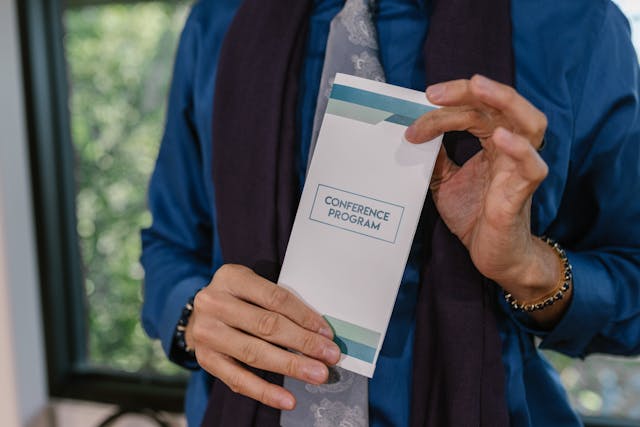
Promotion is key to ensuring a strong turnout. Use a mix of traditional and digital marketing methods to spread the word and build excitement leading up to the big day.
Utilizing Digital Marketing Channels
Leverage platforms like social media, email campaigns, and your company’s website to reach your target audience.
Create engaging content, such as teaser videos or behind-the-scenes photos, to pique interest and encourage registration.
Crafting Engaging Event Invitations
Make your invitations stand out with eye-catching design and clear information. Include the event’s purpose, date, time, location, and RSVP instructions.
For digital invitations, use tools like email trackers to monitor engagement and follow up as needed.
Leveraging Social Media For Event Buzz
Social media platforms are powerful tools for generating buzz. Create a unique event hashtag, post regular updates, and encourage attendees to share their experiences.
Hosting a giveaway or contest can further amplify your reach.
Building Anticipation Through Pre-Event Activities
Engage your audience before the event by hosting webinars, releasing exclusive content, or teasing special announcements.
Building anticipation keeps your event top-of-mind and encourages early registration.
Managing Event Logistics
Effective logistics management is the glue that holds an event together. From transportation to on-site coordination, meticulous planning ensures everything runs without a hitch.
Transportation And Accommodation
Make travel arrangements as smooth as possible for attendees. Offer clear directions, arrange transport services if needed, and recommend nearby accommodations.
Providing these details in advance can save attendees time and reduce stress.

Ensuring On-Site Coordination
Assign a team to manage on-site operations, including registration, tech setup, and vendor deliveries.
Use walkie-talkies or messaging apps to maintain seamless communication among team members throughout the event.
Handling Last-Minute Changes
Flexibility is vital when unexpected changes arise.
Whether it’s a no-show speaker or a weather-related venue adjustment, having a backup plan helps you adapt quickly and maintain a professional image.
Safety And Compliance Considerations
Adhere to local safety regulations and event guidelines. This includes having first aid available, ensuring emergency exits are clear, and complying with COVID-19 protocols if applicable.
Safety measures protect attendees and demonstrate your commitment to their well-being.
Utilizing Technology In Corporate Events
Technology can transform the way events are planned, executed, and experienced. From virtual platforms to analytics tools, there are plenty of ways to harness its power.
Choosing The Right Event Management Tools
Streamline your planning process with event management software that tracks registrations, schedules, and budgets.
Platforms like Eventbrite or Cvent simplify organization and provide valuable insights.
Integrating Virtual And Hybrid Event Options
Virtual and hybrid events have become increasingly popular. Use reliable platforms that offer features like live streaming, interactive polls, and breakout rooms.
Hybrid models combine the best of in-person and online experiences, catering to a wider audience.
Tracking Attendee Engagement Through Analytics
Post-event analytics help measure success. Use tools to monitor attendance, engagement rates, and feedback.
These insights guide improvements for future events and demonstrate ROI to stakeholders.

Incorporating Sustainability Practices
Sustainable practices not only benefit the environment but also enhance your organization’s reputation. Eco-friendly events show attendees that you care about the bigger picture.
Eco-Friendly Event Planning Strategies
Reduce waste by opting for digital invitations, reusable decorations, and locally sourced catering.
Choose venues with sustainability certifications and work with vendors who share your commitment to the environment.
Reducing Waste And Promoting Recycling
Encourage attendees to recycle by providing clearly labelled bins. Use compostable or recyclable materials for food and beverages.
Partner with charities to donate leftover food or materials after the event.
Highlighting Your Commitment To Sustainability
Communicate your efforts through event signage, presentations, or social media updates.
Share your achievements, such as the amount of waste diverted from landfills, to inspire others to follow suit.
Evaluating Event Success
The final step in any event is to measure its success. Post-event evaluation helps you understand what worked, what didn’t, and how to improve in the future.
Defining Key Performance Indicators (KPIs)
Identify metrics that align with your goals, such as attendee satisfaction, lead generation, or revenue generated. Clear KPIs provide a benchmark for measuring success.
Collecting Feedback From Attendees
Feedback is a goldmine for insights. Use surveys, interviews, or comment cards to gather honest opinions from attendees.
Questions should cover areas like event content, organization, and overall experience.

Conducting A Post-Event Analysis
Bring your team together for a debrief session. Discuss successes, challenges, and lessons learned. Reviewing these details helps refine your planning process for future events.
Identifying Areas For Improvement
No event is perfect, and there’s always room for growth. Focus on specific aspects that can be improved, such as communication, logistics, or engagement tactics.
Continuous improvement leads to consistently outstanding events.
Conclusion
Corporate event planning is a mix of strategy, creativity, and adaptability.
By setting clear goals, managing resources wisely, and focusing on attendee experience, you can create an event that leaves a lasting impression.
Use these tips as your guide, and you’ll be well on your way to delivering events that inspire, impress, and succeed.